What Are the Safety Standards for Unfinished Wooden Children Toys?
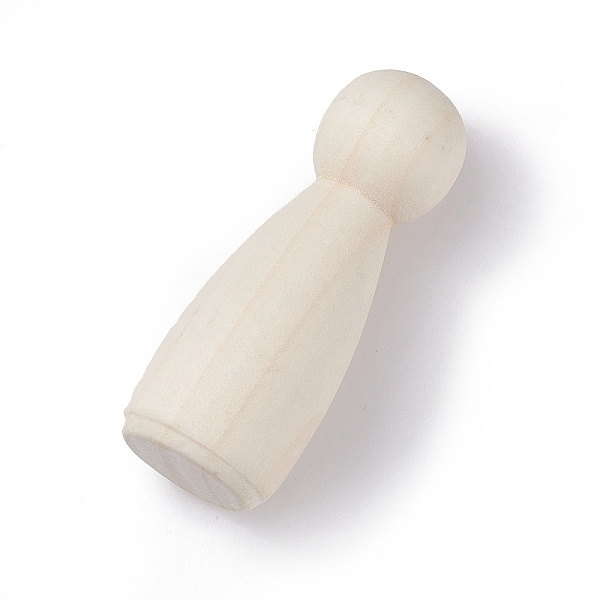
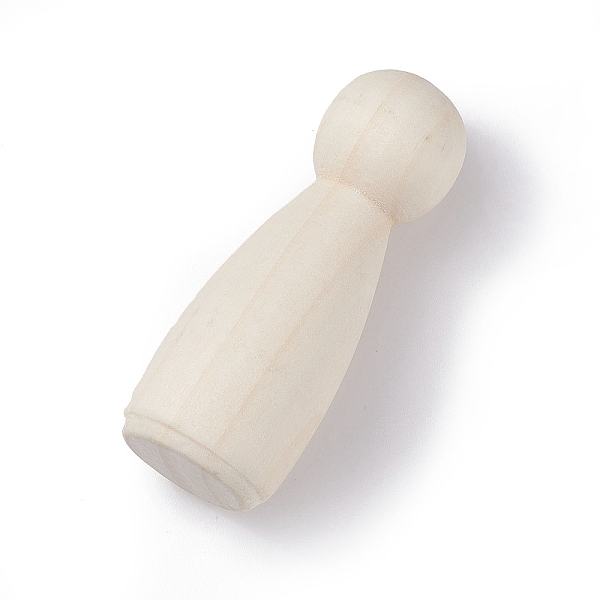
Unfinished Wooden Toy Parts for DIY Crafting
Introduction
Unfinished wooden children’s toys—such as DIY accessories, puppets, and blank carving blanks—are popular among educators, parents, and crafters seeking open-ended, eco-friendly play materials. However, because they lack protective finishes (e.g., paint, sealant, or varnish), their safety depends heavily on compliance with rigorous regulatory standards. This article outlines key safety requirements applicable to unfinished wooden toys, especially those intended for children under 12 years of age.
Key Regulatory Frameworks
Unfinished wooden toys sold in major markets must meet region-specific safety regulations. The most influential include:
- United States: ASTM F963–23 (Standard Consumer Safety Specification for Toy Safety), enforced by the Consumer Product Safety Commission (CPSC)
- European Union: EN71 Parts 1, 2, and 3 (Mechanical & Physical Properties, Flammability, and Migration of Certain Elements)
- Canada: Toys Regulations under the Canada Consumer Product Safety Act (CCPSA)
- Australia/New Zealand: AS/NZS ISO 8124.1:2021 (Safety of Toys – Part 1: Safety Aspects Related to Mechanical and Physical Properties)
Critical Safety Requirements for Unfinished Wood
Because unfinished wood lacks surface coatings, regulators focus on inherent physical and chemical properties. Key mandatory criteria include:
- Sharp Edges and Points: No accessible sharp edges, points, or protrusions that could lacerate or puncture skin (ASTM F963 §4.5; EN71-1 §4.5)
- Small Parts Hazard: Must pass small parts cylinder test if intended for children under 3 years—no detachable components smaller than 31.7 mm in diameter and 25.4 mm in length
- Wood Quality & Splinter Risk: Surfaces must be smooth, sanded, and free from splinters, loose fibers, or rough grain that could cause injury during handling or mouthing
- Natural Toxin Limits: Wood species must be non-toxic and tested for naturally occurring harmful substances (e.g., taxine in yew, grayanotoxins in rhododendron); common safe species include basswood, maple, birch, and poplar
- Dimensional Stability & Structural Integrity: Must withstand normal use and abuse without cracking, splitting, or breaking into hazardous fragments
Chemical Safety Considerations
Even without finishes, unfinished toys must comply with strict limits on hazardous elements:
- Lead, cadmium, mercury, arsenic, antimony, barium, chromium, and selenium must remain below migration limits (e.g., EN71-3: ≤0.02–0.2 mg/kg depending on element and toy material category)
- Testing applies to the raw wood itself—especially important for reclaimed or imported timber, which may carry soil residue or industrial contaminants
- No formaldehyde emissions above 0.005 ppm (per CARB ATCM Phase 2) if composite wood (e.g., plywood or MDF) is used in construction
Age Grading and Labeling Requirements
Manufacturers and sellers must provide clear, permanent labeling, including:
- Recommended age range (e.g., “Not for children under 3 years” if small parts exist)
- Warning statements for hazards such as choking or splintering
- Country of origin and manufacturer/importer identification
- Conformance marks (e.g., CE mark for EU, ASTM logo for U.S.-compliant products)
Note: The example product—“Unfinished Wooden Children Toys, DIY Accessories, Puppet, Navajo White, 2.45×6.5 cm, $4.57”—measures just over 2.4 cm wide and 6.5 cm tall. Its compact size warrants careful evaluation for small parts compliance and age-appropriate labeling.
Best Practices for Consumers and Educators
When selecting or using unfinished wooden toys, consider these practical safety steps:
- Inspect each piece for splinters, cracks, or rough spots before giving it to a child
- Store away from moisture and direct sunlight to prevent warping or mold growth
- Supervise young children closely—unfinished wood may still be mouthed, increasing exposure to dust or natural compounds
- If finishing at home, use only certified non-toxic, child-safe finishes (e.g., ASTM D4236–compliant water-based sealants)
- Verify third-party lab testing documentation (e.g., CPSC-accepted test reports) from the supplier
Conclusion
Safety for unfinished wooden children’s toys hinges not on decorative finishes—but on precise craftsmanship, responsible material sourcing, and strict adherence to international toy safety standards. Whether used as DIY accessories, classroom puppets, or sensory tools, these simple wooden items demand the same level of scrutiny as mass-produced counterparts. By understanding and applying these standards, caregivers and producers alike help ensure play remains joyful, creative—and safely grounded in nature.